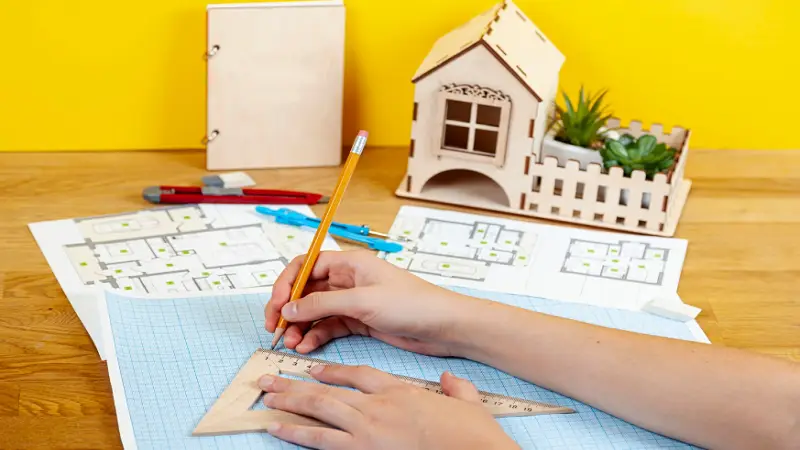
Improving a home does not always require expensive renovations or complicated design plans. With the right guidance, even small upgrades can transform the function, comfort, and appearance of a living space. One approach that focuses on thoughtful improvement rather than extravagant change is often referred to as home upgrading mintpalment a concept centered on planned, cost-effective, and meaningful enhancement. This article offers practical steps, planning tips, and useful strategies to upgrade homes in a smart and achievable way.
Understanding the Purpose of Home Upgrades
Upgrading a home can mean many things: improving safety, adding comfort, increasing energy efficiency, or modernizing the look of rooms. The main purpose of home upgrades is not about showing luxury; it is about making spaces work better for everyday life. Instead of replacing everything, the idea is to identify areas that provide the most value when improved.
Reasons to Upgrade a Home
-
To enhance living comfort and convenience
-
To improve energy use and lower bills
-
To increase property value and market appeal
-
To create a safer and healthier living environment
-
To replace outdated or worn-out features
Even minor improvements can deliver significant benefits when they are planned with care.
Planning Your Upgrade Strategy
Effective planning helps you avoid unnecessary expenses and achieve your desired results. A strategy should not only consider beauty but also durability, usefulness, and long-term savings.
Steps to Plan Smart Upgrades
-
Assess Current Needs
Start by identifying areas that need improvement. Check for damaged floors, poorly functioning appliances, uncomfortable lighting, or cluttered spaces. -
Set Priorities
Decide what should be done first. Focus on items related to safety, comfort, or high usage areas such as kitchens and bathrooms. -
Create a Budget
Determine a practical budget. Save room for unexpected costs like repairs or replacements. -
Explore Material and Design Options
Compare prices, durability, and maintenance requirements. Often, affordable materials can perform as well as expensive ones. -
Decide DIY vs. Professional Work
Some simple tasks like painting, replacing handles, or installing shelves can be DIY. Electrical rewiring, plumbing, or heavy construction should be left to professionals.
Smart and Affordable Upgrade Ideas
Home changes do not need to be extravagant. The aim of home upgrading mintpalment is to choose improvements that add long-term value and function. Below are beneficial options that balance practicality and style.
1. Improve Lighting
Lighting impacts both comfort and mood. Replace old bulbs with LED lights to save energy. Add task lighting in kitchens and reading areas. Use warm tones in living and bedroom spaces for a cozy atmosphere.
2. Refresh Paint and Walls
A fresh coat of paint can change the entire feel of a room. Choose neutral shades for timeless appeal or soft colors to add personality. Wall panels, decals, or textured finishes can introduce depth without major cost.
3. Upgrade Storage Solutions
Clutter can make a home look smaller and disorganized. Install floating shelves, under-bed storage, or cabinet organizers. Creative storage makes spaces functional and visually appealing.
4. Replace Old Hardware
Changing doorknobs, cabinet handles, or light switch covers can make spaces feel new without major renovation. These items are inexpensive and easy to install.
5. Enhance Flooring
If full replacement is costly, consider refinishing existing floors, using laminate overlays, or adding area rugs to cover worn-out zones. These options improve aesthetics and comfort underfoot.
6. Make Outdoor Areas Functional
A simple patio setup, container garden, or outdoor lighting can turn an unused space into an enjoyable relaxation spot. Maintenance is minimal, but the value added is considerable.
Energy-Efficient Improvements
Homes designed with efficiency in mind save money over time. Reducing waste, controlling heating and cooling, and lowering electricity usage are key goals of sustainable upgrading.
Ideas That Improve Efficiency
-
Install programmable thermostats
-
Use energy-efficient appliances
-
Seal doors and windows to prevent leaks
-
Add insulation in walls and attics
-
Switch to solar lighting for outdoor areas
These small changes help protect the environment and reduce ongoing household expenses.
Safety-Focused Enhancements
A safe home prevents accidents and protects families. Incorporating safety upgrades should be a primary part of improvement planning.
Examples of Safety Upgrades
-
Secure railings and stair edges
-
Install smoke and carbon monoxide detectors
-
Upgrade old wiring or damaged electrical outlets
-
Use slip-resistant flooring in kitchens and bathrooms
-
Ensure proper ventilation to reduce moisture buildup
Maintaining a safe home reduces long-term risks and increases comfort.
Functional Interior Design Tips
Good design is more than decoration; it improves how people use their space. Simple functional design principles can turn any home into a welcoming, efficient environment.
Effective Design Strategies
-
Arrange furniture to allow natural movement
-
Use multi-purpose items like sofa beds or folding tables
-
Add mirrors to make rooms appear larger
-
Keep décor minimal and meaningful
-
Use plants for air quality and visual balance
Good design supports daily living rather than distracting from it.
Maintaining Upgrades for Long-Term Benefit
After completing improvements, maintenance ensures that upgrades remain beneficial. A well-maintained home lasts longer and reduces repair costs.
Maintenance Guidelines
-
Clean appliances and fixtures regularly
-
Repair minor damage before it grows
-
Check plumbing and electrical systems yearly
-
Protect surfaces with sealants or covers
-
Create a seasonal maintenance schedule
These habits preserve the value gained from home upgrading mintpalment efforts.
Sustainable Choices for a Better Future
Sustainability is an important part of modern home improvement. Choosing eco-friendly materials and practices helps reduce waste and protect natural resources.
Ways to Choose Sustainable Options
-
Select recycled or responsibly sourced materials
-
Choose durable items that do not require frequent replacement
-
Use natural cleaning solutions instead of harsh chemicals
-
Opt for furniture made from sustainable wood or metal
-
Reduce plastic use in décor and storage
Long-lasting choices support both the family and the environment.
Conclusion
Improving a home does not require large budgets or drastic transformations. Thoughtful planning, small upgrades, and quality choices can make living spaces more efficient, comfortable, stylish, and safe. The concept of home upgrading mintpalment emphasizes meaningful changes that bring long-term value rather than unnecessary luxury. By focusing on function, safety, sustainability, and smart design, any home can become more enjoyable to live in. With these guidelines, homeowners can confidently enhance their living spaces and achieve a balanced, practical home environment. See More: yarddecoration