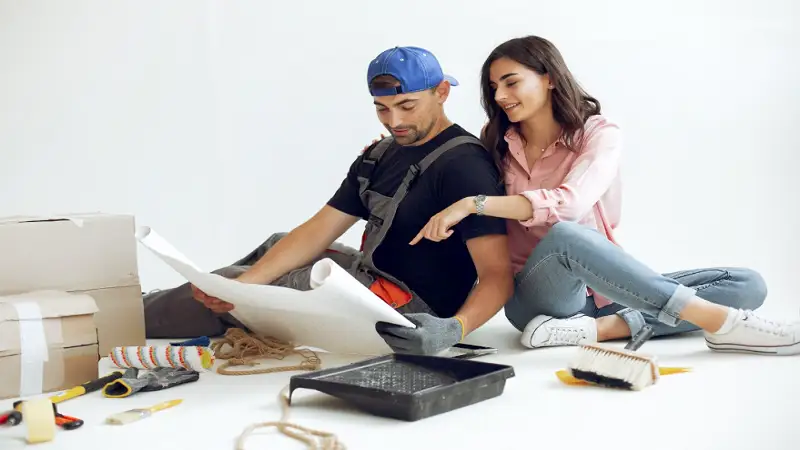
Upgrading a home is one of the most rewarding tasks for homeowners. It improves comfort, increases value, and supports a better lifestyle. Whether you are renovating an entire house or focusing on a few minor changes, the right planning and smart decisions can save time, money, and effort. In this article, you will learn practical strategies for making your home better suited to your needs. The focus will remain on simple improvements, budget-friendly planning, smart designing, and durable solutions. By following these tips, you can enhance your home in a thoughtful and organized way while avoiding unnecessary spending.
Assessing Your Home’s Current Needs
Before starting any upgrade, it is important to evaluate the current condition of your living space. Consider the following questions:
-
What areas feel outdated?
-
Is there a need for better storage?
-
Which repairs are required immediately?
Begin with essentials such as electrical systems, plumbing, roofing, and structural safety. If you find any major issues, they should be prioritized before cosmetic changes. A safe and functional foundation forms the basis of every successful renovation. This assessment can help you set realistic goals, create a clear plan, and prevent future problems from occurring.
Setting a Budget for Improvements
One of the most crucial steps is avoiding overspending. Many homeowners start projects without a realistic financial plan. To prepare a reliable budget:
-
List all planned tasks.
-
Identify materials needed.
-
Consult a professional when required.
-
Keep extra funds for unexpected costs.
A smart budgeting approach allows you to maintain control throughout the project. It also prevents half-finished renovations caused by running out of funds. When planning upgrades, always balance quality with affordability. Reliable materials don’t have to be the most expensive. Choosing wisely ensures durability without stretching finances unnecessarily.
Improving Energy Efficiency
Energy efficiency is one of the best ways to upgrade a home. Making improvements in this area reduces power bills and supports environmental sustainability. Consider the following measures:
-
Install LED lighting instead of traditional bulbs.
-
Improve insulation in walls and ceilings.
-
Use energy-saving windows and doors.
-
Consider solar energy if applicable.
Installing a programmable thermostat and sealing air leaks significantly improves comfort and reduces heating or cooling expenses. Small changes like these can have a long-term impact and are often more cost-effective than visible cosmetic changes.
Strategic Interior Upgrades
Interior changes do not always require a complete redesign. Simple adjustments can transform your environment. Some ideas include:
-
Repainting walls for a fresh and modern feel.
-
Replacing old cabinet handles or door knobs.
-
Installing open shelving for improved storage.
-
Updating lights or using better fixtures.
Color choice is especially important. Neutral shades make rooms appear larger and brighter. Combining light tones with natural materials such as wood and stone adds warmth and character to your home. The keyword home upgrading advice mintpalment fits perfectly within the idea of selecting changes that are both aesthetic and practical.
Enhancing Outdoor Spaces
Outdoor improvements are often overlooked, yet they increase home value and create enjoyable living areas. Some effective ideas include:
-
Building a small seating space or patio.
-
Adding a garden or potted plants for a greener look.
-
Improving pathways with durable materials.
-
Repainting fences or exterior walls.
Even small upgrades like cleaning the driveway, installing outdoor lighting, or maintaining plants can boost curb appeal. Outdoor upgrades do not require heavy investment, but they create a welcoming environment. They also enhance relaxation and entertainment possibilities for you and your guests.
Smart Storage and Space Management
Storage plays a major role in keeping a home organized. Clutter can make even large homes feel smaller and untidy. To maximize space:
-
Use multi-functional furniture with built-in storage.
-
Install shelves in unused corner areas.
-
Utilize vertical wall space efficiently.
-
Add under-bed storage options.
These solutions support both practicality and aesthetics. A well-organized home feels comfortable and makes daily routines easier. Incorporating thoughtful storage solutions aligns with the principles of home upgrading advice mintpalment as it encourages improvements that enhance functionality rather than merely appearance.
Kitchen and Bathroom Priorities
Kitchens and bathrooms often provide the highest return on investment. Renovating them does not always require complete rebuilding. Small yet effective changes include:
-
Replacing old faucets and showerheads.
-
Installing backsplash tiles for a modern finish.
-
Repairing worn-out cabinets or repainting them.
-
Improving lighting for a cleaner look.
Focus on materials that resist moisture and heat. Quality flooring, durable countertops, and reliable fixtures create long-lasting benefits. Choosing water-efficient appliances or fixtures also lowers utility expenses. Following principles similar to home upgrading advice mintpalment, durable improvements should take priority over purely decorative features.
Choosing Sustainable Materials
Modern home upgrades often focus on sustainability. Using eco-friendly materials supports long-term durability and reduces environmental impact. Some popular choices include:
-
Recycled wood or bamboo flooring.
-
Non-toxic paints and coatings.
-
Natural stone countertops.
-
Eco-friendly insulation.
Sustainable products often cost slightly more initially, but they last longer and require fewer repairs. They are also safer for indoor air quality and reduce waste. Such choices reflect thoughtful planning, which aligns with the purpose behind home upgrading advice mintpalment, encouraging homeowners to select improvements that benefit both their home and the environment.
Hiring Professionals vs. DIY Projects
Not all upgrades should be handled personally. While do-it-yourself projects can save money, some tasks require expertise. Consider hiring a professional when dealing with:
-
Electrical or plumbing systems.
-
Structural modifications.
-
Roofing repairs.
-
Complex installations.
DIY projects are ideal for painting, decoration, minor installations, or gardening. The goal should always be safety and quality. Understanding when to seek expert help can prevent costly mistakes. A balanced approach between DIY tasks and professional assistance ensures a successful home upgrade.
Final Tips for a Successful Home Upgrade
To make the most out of your renovation process, keep the following tips in mind:
-
Start with essential repairs before cosmetic changes.
-
Maintain a clear budget throughout the project.
-
Prioritize energy efficiency and comfort.
-
Focus on durable and sustainable materials.
-
Avoid rushing and allow time for decision-making.
Upgrading your home is not just about improving visual appearance. It should aim to create a more practical, secure, and comfortable living space. Whether you focus on minor adjustments or major renovations, careful planning will always deliver the best results.
Conclusion
Home improvement is a continuous journey rather than a single project. Each upgrade contributes to better quality of life, safety, efficiency, and beauty within your living space. By maintaining smart planning, budgeting cautiously, and prioritizing long-lasting solutions, homeowners can create the home they truly desire. With thoughtful choices and realistic goals, home upgrades become an investment that provides long-term rewards. Following guides like home upgrading advice mintpalment inspires a more balanced and purposeful approach to renovation, ensuring that every effort enhances both comfort and value. See More: yarddecoration