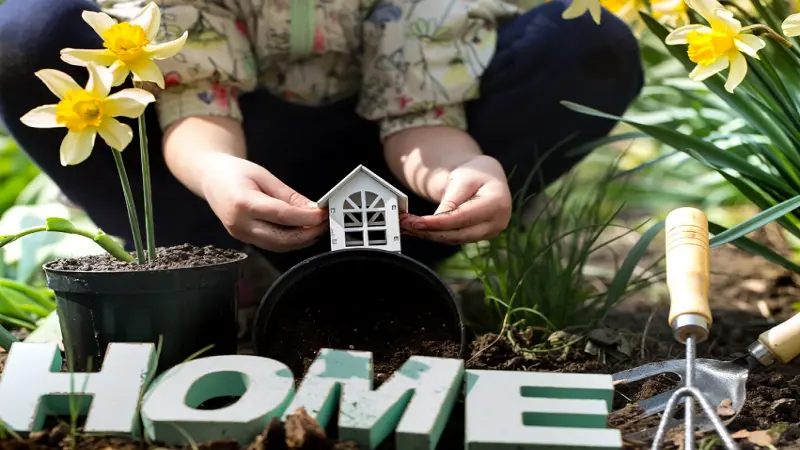
Creating a space that feels comfortable, beautiful, and practical doesn’t have to be complicated or expensive. Whether you’re organizing your indoor spaces or enhancing your outdoor environment, thoughtful planning and simple design choices can make a big impact. This complete home advice Decadgarden article brings together expert ideas on home improvement, outdoor decoration, gardening, and smart living making it easy for you to turn any area of your home into a space you love.
In this guide, we’ll cover everything from smart home organization and décor to outdoor transformation ideas. The philosophy of home advice Decadgarden focuses on simplicity, nature‑inspired design, intentional layouts, and sustainability to boost enjoyment and functionality in everyday life.
What Home Advice Decadgarden Means
The term home advice Decadgarden represents a lifestyle approach that combines thoughtful design with simple, nature-inspired solutions for both indoor and outdoor living spaces. This philosophy focuses on making homes more organized, beautiful, comfortable, and efficient whether you live in a large house or a small apartment with limited outdoor space.
It blends practical home management techniques with creative décor ideas and garden enhancements so that every part of your living environment feels intentional and welcoming.
Evaluating Your Home: The First Step to Improvement
Before starting any upgrades big or small it’s helpful to assess your home honestly:
-
Clutter hotspots: Identify areas that feel crowded, messy, or overloaded
-
Underused zones: Find spaces that could be repurposed
-
Functionality issues: Evaluate what’s inconvenient or inefficient
-
Aesthetic gaps: Notice spots that feel dull, dated, or visually inconsistent
Make a list of what you want to change or improve. This evaluation becomes your roadmap for applying helpful home advice Decadgarden principles.
Indoor Organization and Smart Living
A clean and organized interior enhances comfort and productivity. Here’s how you can optimize your indoor spaces:
Declutter with a Plan
Use simple methods like the three‑box rule keep, donate, and discard to sort items. Decluttering reduces stress, makes cleaning easier, and creates space for the things that truly matter.
Maximize Storage Solutions
Smart storage creates order without compromising style. Try:
-
Under‑bed storage
-
Floating shelves
-
Multi‑purpose furniture
-
Closet organizers
These help use vertical space efficiently, especially in smaller rooms.
Smart Daily Routines
Small habits keep your home in shape:
-
Wipe surfaces daily
-
Open windows for fresh air
-
Maintain cleaning schedules
-
Rotate seasonal décor to keep things fresh
Consistent care means less overall effort over time.
Bringing Nature Inside
Plants improve mood, purify air, and add life to any room. Strategic greenery is one of the easiest ways to beautify your home.
Best Indoor Plants
Choose low‑maintenance species like:
-
Snake plant
-
Aloe vera
-
ZZ plant
-
Pothos
-
Peace lily
These thrive in different light conditions and help boost indoor air quality.
Styling with Greenery
-
Use plants of varying heights to add depth
-
Place tall plants near furniture edges
-
Small succulents on shelves or countertops
-
Repurpose containers into creative planters
Nature brings calm and a sense of balance into living spaces.
Outdoor Space Planning: From Yard to Garden
A beautifully planned outdoor space feels like a natural extension of your home. Whether you have a backyard, a terrace, or a balcony, it’s essential to understand the area before making changes.
Observe Your Space First
-
Note sunlight and shade patterns
-
Understand soil types
-
Map out natural walkways
-
Identify empty or awkward corners
This initial insight helps you decide where every element should go.
Yard Decoration Ideas That Wow
Decorating your outdoor space isn’t only about plants it’s about designing zones that serve different purposes.
Create Functional Zones
Divide your yard into areas such as:
-
Relaxation or lounge zone
-
Dining or BBQ area
-
Planting and garden beds
-
Play area for kids or pets
This zoning approach makes your yard feel larger and more purposeful.
Layered Lighting
Good lighting brings ambiance and safety.
-
Solar pathway lights
-
String lights across sitting areas
-
Uplights for trees or shrubs
Balanced lighting helps your outdoor space feel warm and inviting, day or night.
Garden Tips & Plant Care Essentials
Whether you’re planting flowers, herbs, or vegetables, smart gardening supports long‑lasting results.
Right Plant, Right Place
Match plants to:
-
Sunlight conditions
-
Soil type
-
Climate
-
Space available
Make sure high‑sun plants go in bright zones and shade lovers are in shaded corners.
Watering Wisdom
Avoid overwatering. Instead:
-
Water early in the morning
-
Use drip systems when possible
-
Add mulch to retain moisture
Healthy soil and roots lead to thriving plants year after year.
Functional Outdoor Zones
Now that you’ve identified ways to evaluate and decorate your space, let’s refine key outdoor areas:
Comfortable Seating
Use durable, weather‑resistant furniture like teak, metal, or rattan. Add cushions and shade sources for comfort.
Garden Structures
-
Pergolas or shade sails for comfort
-
Pathways to define movement
-
Fire pits or water features for ambience
These act as focal points and encourage gathering and relaxation.
Lighting, Comfort, and Ambience
Outdoor spaces are best enjoyed morning, afternoon, and evening. Effective lighting and décor lift the mood instantly.
Make It Cozy
-
Use warm‑tone lights
-
Add outdoor rugs
-
Showcase greenery in groupings
-
Introduce sound elements like fountains
Ambience is about comfort and aesthetics working together.
Maintenance, Sustainability, and Long‑Term Care
Keeping your spaces beautiful requires ongoing care.
Seasonal Care Tasks
-
Spring: Soil renewal and planting
-
Summer: Watering and shade control
-
Autumn: Leaf cleanup and pruning
-
Winter: Tool storage and plant protection
Routine care prevents problems before they start.
Sustainable Practices
Eco‑friendly choices include:
-
Composting plant waste
-
Collect rainwater for irrigation
-
Use organic fertilizers
-
Avoid harmful chemicals
Sustainability supports long‑term beauty and reduces costs.
Conclusion
By applying the home advice Decadgarden principles such as understanding your space, prioritizing nature, organizing smartly, and planning intentionally you can enrich the way you live at home. Every small improvement adds up to create a comfortable and inviting environment for family, guests, and daily life.
Remember, successful home living isn’t about perfection it’s about thoughtful choices that make your space work for you. Start with simple changes, and let your home’s beauty and functionality grow over time.