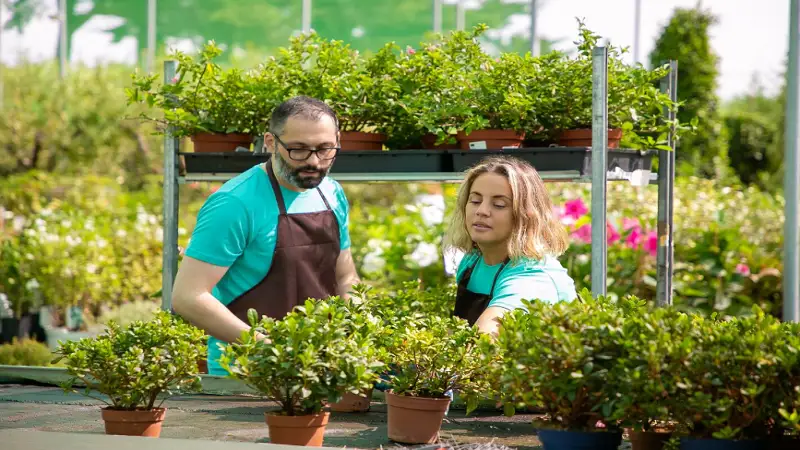
Creating a beautiful and functional home environment is not limited to what happens inside the house. Outdoor spaces can be just as meaningful and influential to daily life. This is where thoughtful home advice becomes valuable, especially for those aiming to turn simple backyards or balconies into serene, purposeful spaces. In this article, we will dive into helpful ideas that support a relaxing and sustainable home lifestyle, with a special focus on outdoor atmosphere, gardening tips, space management, and nature-inspired living. The term home advice decadgarden represents a lifestyle approach that encourages simplicity, creativity, and natural beauty in both indoor and outdoor home arrangements.
Understanding the Concept of Balanced Living Spaces
A balanced home environment integrates the indoors and outdoors to promote comfort, functionality, and aesthetic pleasure. Whether you live in a large house with a garden or a small apartment with a modest balcony, the key is to creatively utilize the space you have. When people think about designing their home, they often focus primarily on interior décor, neglecting the value of outdoor areas. Yet, these outdoor spaces can provide fresh air, sunlight, and a soothing escape from digital screens and busy routines.
By cultivating greenery, maintaining cleanliness, and establishing purposeful outdoor seating, any homeowner can create an environment that encourages peace and productivity. Integrating elements such as shade, plants, and water features can amplify comfort while improving air quality. A good approach blends nature with personal taste, making the home both tranquil and welcoming.
Choosing Plants That Suit Your Home
Plants are essential when enhancing a living space. They enrich the environment visually while improving air quality and boosting mood. Choosing the right plants requires consideration of several factors:
-
Climate: Select plants that thrive in your regional weather conditions.
-
Sunlight Availability: Some plants need direct sunlight, while others grow well in shade.
-
Maintenance: Choose low-maintenance plants if you have limited time.
-
Space Size: Large plants can overwhelm small balconies, so use smaller potted varieties.
For indoor spaces, options like aloe vera, snake plants, and peace lilies are excellent choices because they purify air and require minimal care. Outdoors, herbs like mint, basil, and rosemary provide both visual appeal and practical use in cooking. Flowering plants such as marigolds and petunias can add vibrant colors without needing extensive maintenance.
In every gardening plan, simplicity and sustainability are essential. This is the kind of thoughtful planning that aligns well with the philosophy behind home advice decadgarden, encouraging beauty without unnecessary complexity.
Creative Ways to Use Limited Outdoor Space
Not all homes come with large yards or extensive gardens, but even small outdoor areas can become enjoyable and attractive. Here are some creative strategies:
Vertical Gardening
When horizontal space is limited, vertical gardening becomes a smart option. Using hanging pots, wall planters, and shelf-style plant stands allows you to grow a variety of plants without taking up floor space.
Compact Seating
Instead of large furniture, choose foldable or compact seating options. A small bistro-style table and chairs can provide a cozy outdoor experience without overcrowding the area.
Multipurpose Décor
Use pieces that serve multiple functions. For example, a bench with storage underneath can hold gardening tools or outdoor cushions.
Balcony Green Zones
Separate a small section of your balcony with planters or a trellis to create a tiny sanctuary. Add a rug, cushion, or small lamp to make it feel inviting.
These solutions help transform even the smallest balconies into practical and aesthetic corners of the home. It’s a good reminder that simplicity and smart design are at the core of home advice decadgarden, emphasizing practicality alongside creativity.
Sustainable Gardening Practices
Gardening can be both rewarding and environmentally friendly. Sustainable practices benefit the planet while saving homeowners time and resources. Here are some ideas:
-
Water Conservation: Water plants early in the morning or late in the evening to prevent evaporation. Collect rainwater in containers for irrigation.
-
Organic Fertilizers: Use homemade compost from kitchen waste to add nutrients to the soil.
-
Local Plants: Grow species native to the area because they adapt better and require less maintenance.
-
Reuse Recyclables: Reuse containers, jars, or crates as plant pots to minimize waste.
Sustainable gardening makes your home both visually attractive and eco-friendly. It also allows you to enjoy a sense of accomplishment when watching your plants flourish with minimal environmental impact.
Creating Outdoor Comfort Through Natural Elements
Outdoor comfort extends beyond gardening. Creating enjoyable spaces means incorporating natural elements that enhance relaxation. Consider the following:
-
Shading Solutions: Provide shade using umbrellas, canopies, or climbing plants like ivy over trellises.
-
Water Features: A small fountain or bird feeder can introduce soothing sounds and attract wildlife.
-
Natural Lighting: Use soft solar-powered garden lights to create a warm ambiance at night.
-
Natural Materials: Use wooden or rattan furniture and avoid excessive plastic décor to maintain a natural theme.
These choices contribute to a calming outdoor retreat where family and friends can gather to converse, enjoy meals, or simply unwind. The philosophy behind home advice decadgarden supports this idea, encouraging the integration of nature into everyday home life.
Smart Organization for Outdoor Areas
Just like indoor rooms, outdoor spaces need organization. A disorganized garden or cluttered patio reduces enjoyment and functionality. Here’s how to maintain order:
-
Use Storage Solutions: Outdoor storage boxes keep tools protected and minimize clutter.
-
Designate Zones: Create zones for sitting, planting, and storage to make the space easy to use.
-
Routine Maintenance: Remove dried leaves, trim plants regularly, and clean pathways to maintain a fresh appearance.
-
Labeling Plants: Use markers to label plant varieties; this helps beginners track their growth and care needs.
Organized outdoor areas feel more peaceful and are easier to maintain, fostering long-term enjoyment and usability.
Benefits of Incorporating Nature at Home
Introducing more natural elements into your living environment leads to multiple physical and psychological benefits. These include:
-
Improved air quality through plant filtration.
-
Reduced stress levels due to calming natural elements.
-
Increased physical activity while gardening.
-
Enhanced creativity and concentration.
-
A sense of achievement in nurturing plants.
Homes that incorporate greenery often feel more comforting and lively. Such improvements influence everyday life, encouraging a healthier and more grounded lifestyle.
Final Thoughts
Designing outdoor and indoor spaces should involve a thoughtful balance of beauty and practicality. Whether through sustainable gardening, creative space usage, smart organization, or comfort-focused design, anyone can build a home environment that nurtures peace and inspiration. Even if you start small with a few potted plants, a compact seating setup, or refreshing natural décor the impact on daily living can be significant. See More: yarddecoration